

Pilotagein the Ríade Ferrol.
We advise masters on arrival, departure and shifting manoeuvres in the Port and Ría de Ferrol. 24 hours a day, 365 days a year.
Masters with in-depth knowledge of the Ría.
Four masters, one ría and a single way of doing things: safely.
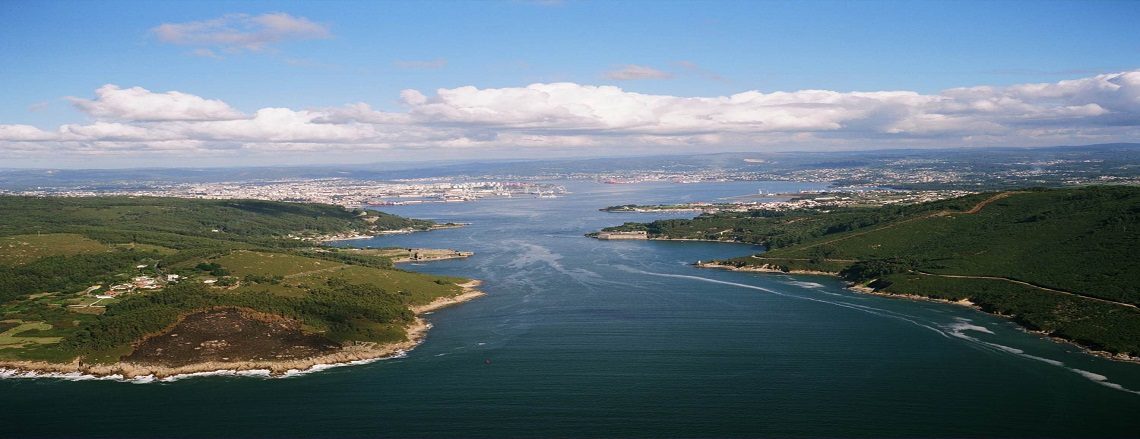
Prácticos del Puerto y Ría de Ferrol, S.L.P. is the entity in charge of managing and providing the port pilotage service in the waters of the Port and Ría de Ferrol, from the entrance to the As Pías bridge, including the Outer Port of Caneliñas.
To advise masters, the Corporation relies on pilots with extensive professional experience: merchant navy captains with proven knowledge of the port waters, its currents and its weather conditions.
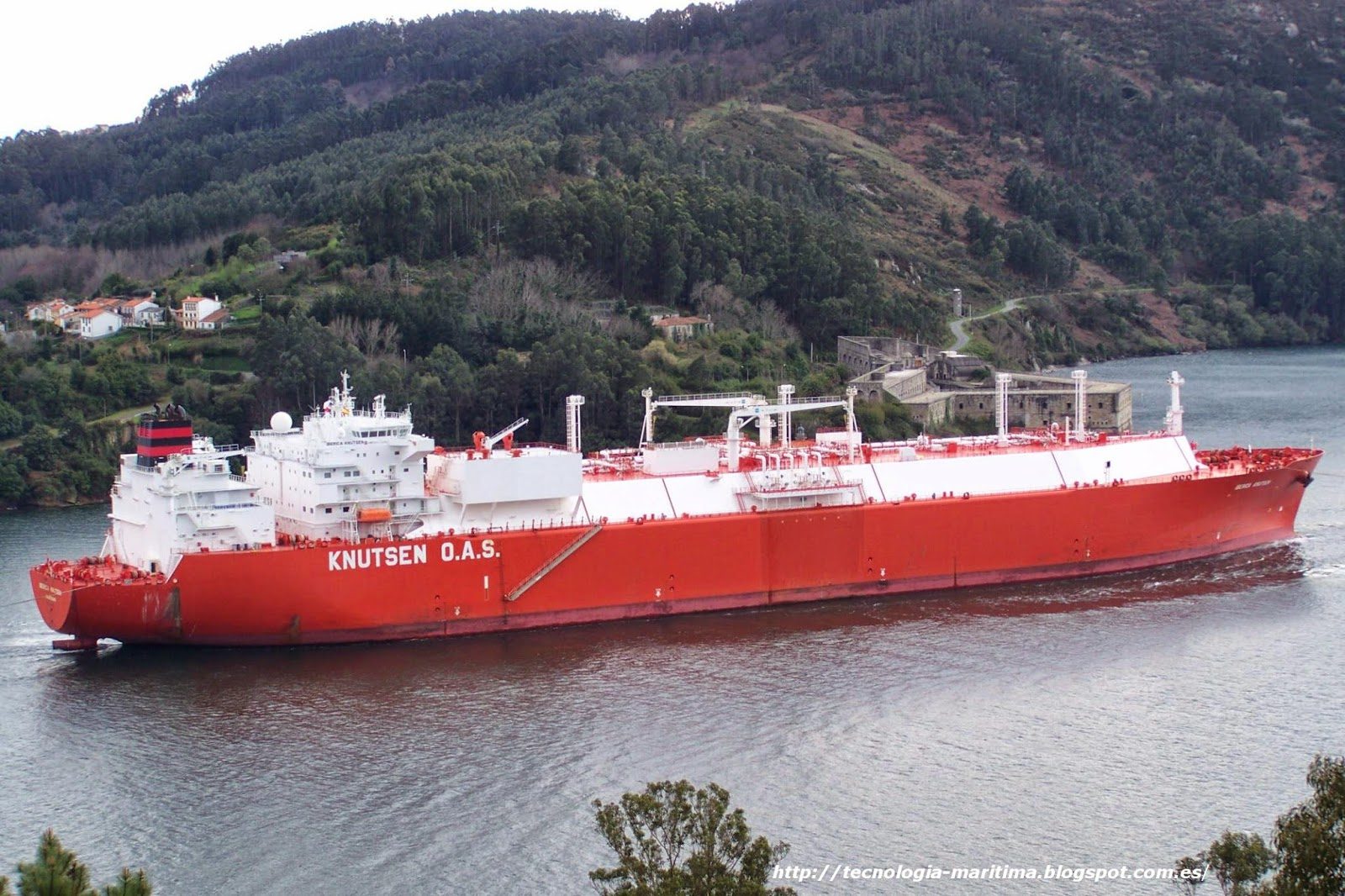
We handle all kinds of traffic: bulk carriers, LNG carriers bound for the Mugardos terminal, Navantia shipyard vessels, cruise ships, container ships and Navy units, supported by Pilot Portable Units (PPU) and AIS tracking.


Arrival, departure and shifting procedures.
Pilotage is compulsory for vessels of 500 GT and over. Our working channel is VHF CH 14. Please follow these instructions and provide the necessary information.

Request 72 hours in advance (DUE)
The local agent, master or owner requests the service in the Port Authority's application (DUE / Port Community System) at least 72 hours in advance.
Coruña Traffic, 2 hours before
Contact Coruña Traffic (VHF 10 / 16) 2 hours before ETA at the port limits or at the pilot boarding position, reporting any ETA change greater than 15 minutes.
"Prácticos Ferrol", 40 minutes before
40 minutes before reaching the boarding position, call "Prácticos Ferrol" on VHF CH 14 confirming ETA and stating:
- Manoeuvring characteristics (propulsion, rudder, thrusters) — first call only
- Draughts and air draught
- Deficiencies affecting manoeuvrability
- Tugs required
Coruña Traffic before the manoeuvre
Contact Coruña Traffic (VHF 10 / 16) before starting the departure manoeuvre.
"Prácticos Ferrol" 1 hour in advance
Call "Prácticos Ferrol" on VHF CH 14 to request the service, confirming the time 1 hour in advance and stating:
- Draughts and air draught (some berths only)
- Deficiencies affecting manoeuvrability
- Tugs required
The pilot service passes the manoeuvring instructions to tugs and boatmen. Channel 14 is reserved for communications with Ferrol Pilots; channel 10 for Coruña Traffic.
Request 72 hours in advance (DUE)
The service is requested through the local agent in the Port Authority's application (DUE / Port Community System) at least 72 hours in advance, providing the necessary permits.
Confirmation on VHF 14
Call "Prácticos Ferrol" on VHF CH 14 confirming the service time and stating draughts and air draught, deficiencies affecting manoeuvrability and tugs required.
Where the pilot boards.
There are two pilot boarding and disembarking areas, as defined in the specifications of the pilotage service of the Port of Ferrol.
Area A
> 15.000 GT · IMDGVessels over 15,000 GT, dangerous or polluting cargoes and vessels presenting an additional risk.
2 nautical miles from the head of the Outer Port breakwater, bearing 235°.
43° 26,6' N · 008° 22,5' WArea B
≤ 15.000 GTAll other vessels.
Within a 1 nautical mile radius circle centred on the head of the Outer Port breakwater.
43° 27' N · 008° 21' WAny anchoring within the port service area requires prior authorisation from the Port Authority; the pilot remains on board with the tugs deemed necessary.
- La Graña (no. 1)Small vessels awaiting immediate berthing, between the commercial quays and the La Graña naval station jetties.
- Santa Lucía (no. 2)Area bounded by Punta del Martillo, the dolphin and the LNG jetty. Safety measures case by case.
- Caranza (no. 3)Vessels with draught not exceeding 8 m, south of the light of Navantia Ferrol quay no. 14.
- Ría de AresSubject to Harbour Master authorisation, for vessels awaiting a berth in Ferrol or A Coruña.
Local regulations and tugs.
Minimum bollard pull required and recommended number of tugs for berthing and unberthing in normal conditions (wind ≤ 25 kn, visibility > 800 m), as per the Navigation and towage criteria of the Port and Ría de Ferrol. The pilot may increase them depending on conditions.
The master of the vessel must be assisted by at least one officer from the reporting point at the entrance of the Ría until the first line is ashore (arrivals), or from the last line let go until the vessel is clear at the reporting point (departures).
Navigation conditions in the channel.
- No navigation in the access channel with wind above 40 knots or visibility below 800 m.
- Vessels over 165 m LOA: one tug of ≥ 32 t bollard pull made fast from the outer limit of Zone II. With draught ≥ 9 m, a second escort tug as far as the Vispón buoy.
- Vessels over 210 m: channel transit at slack water.
- Under-keel clearance of 10 % of draught; above 13 m draught, an extra 1 % per 10 cm.
- Night manoeuvres of vessels over 250 m: two pilots on board, one monitoring with a PPU.
- Dangerous cargo or exceptional conditions: tug made fast from Zone II to the end of the channel (plus escort if > 165 m). Anchors ready for letting go when entering Zone II.
Tugs at berths.
Minimum bollard pull required and recommended number of tugs for berthing and unberthing in normal conditions (wind ≤ 25 kn, visibility > 800 m), as per the Navigation and towage criteria of the Port and Ría de Ferrol. The pilot may increase them depending on conditions.
| Length overall | Berthing | Berthing with bow thruster | Unberthing | Unberthing with bow thruster |
|---|---|---|---|---|
| > 250 m | 125t3/4 tugs | 105t2/3 tugs | 95t2/3 tugs | 75t2 tugs |
| 210 – 250 m | 90t2/3 tugs | 80t2/3 tugs | 70t2 tugs | 40t1/2 tugs |
| 165 – 210 m | 70t2/3 tugs | 50t2 tugs | 40t1/2 tugs | 30t1 tugs |
| 130 – 165 m | 50t2 tugs | 30t1 tugs | 35t1/2 tugs | None1 |
| 100 – 130 m | 1 or none1 | None | 1 or none1 | None |
| < 100 m | No tug required, unless carrying dangerous cargo | |||
Remarks ¹
With dangerous cargo, bad weather or poor manoeuvrability, always at least 1 tug.
Vessels under 150 m with good manoeuvrability and an adequate bow thruster, in the pilot's judgement, may dispense with tugs. If the bow thruster is not powerful enough, the vessel is treated as having none.
Remarks
Vessels without propulsion or with steering deficiencies: the tugs corresponding to their length plus one, minimum three, and channel transit at slack water.
Navantia dry docks: minimum four tugs (three when leaving with vessels under 165 m and in Fene dock no. 4). No manoeuvres with wind above 25 knots.
Regulations and public documents.
Documents published by the Ferrol – San Cibrao Port Authority and the Spanish Official Gazette (BOE) governing pilotage and port services in Ferrol.
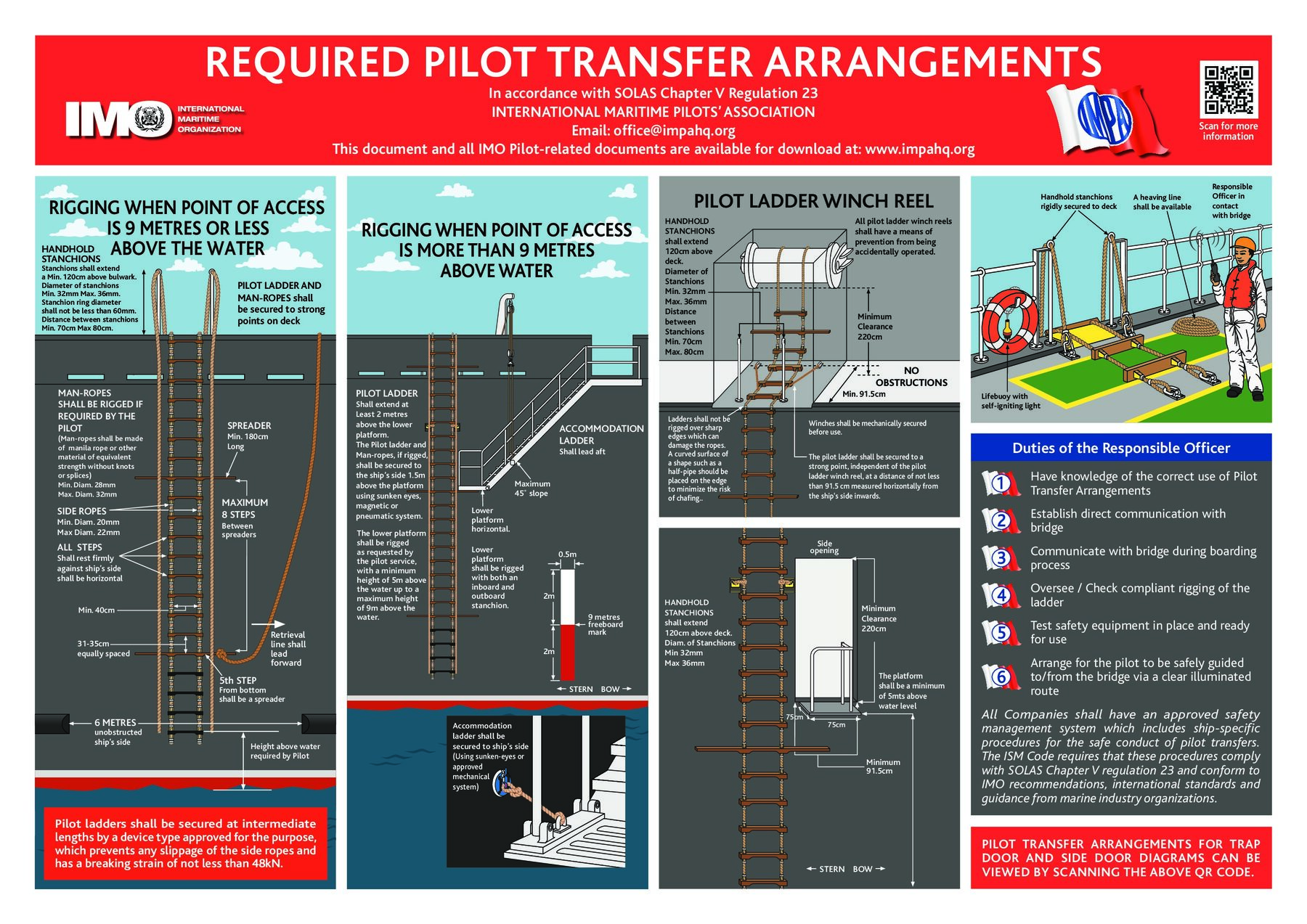
A safe ladder is everyone's responsibility.
The pilot ladder shall be rigged on the side previously indicated by the pilot and normally 1 metre above the water.
The pilot must and is obliged to report any deficiency to the competent Authority.
The Ría, day by day.
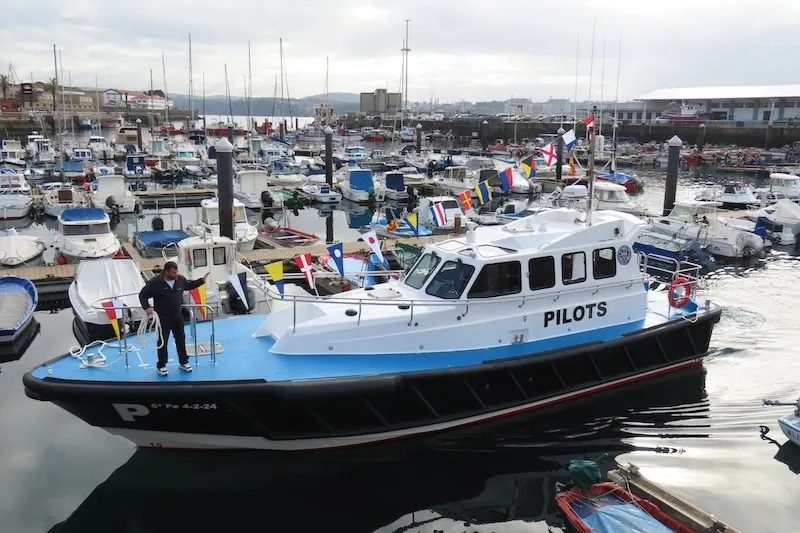
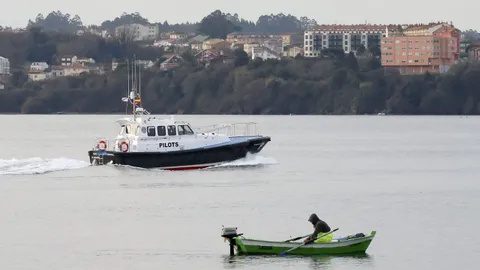
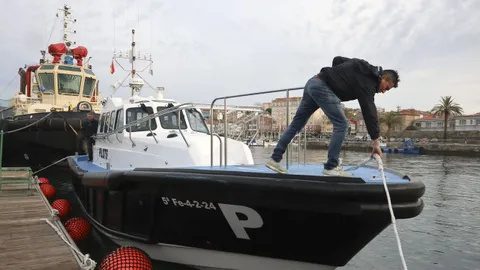
Manoeuvres, ships and Atlantic light. Photographs by the corporation.
Certified integrated management system.
Integrated Management System certified to UNE-EN ISO 9001, ISO 14001 and ISO 45001.
Read the company policy